
When your skin looks tired despite getting enough sleep and following a daily skincare routine, the issue is rarely solved by creams alone. In many cases, the real solution lies in selecting the best skin radiance treatments based on the root cause of dullness itself—is it dehydration, mild pigmentation, visible pores, fatigue, or early loss of elasticity? This is where the difference lies between a procedure that offers a quick glow and one that addresses the underlying cause more deeply and sustainably.
What Does “Skin Radiance” Really Mean?
Radiance is not about having a lighter skin tone, nor is it a temporary sheen left behind by a cosmetic product. Radiant skin is well-balanced in hydration, smoother to the touch, less fatigued in appearance, and characterized by an even, vibrant tone. That is why two people may seek the exact same result yet require completely different treatment plans.
In clinical practice, assessing radiance begins with evaluating the quality of the skin itself: Is the texture rough? Is there paleness or dullness? Are fine lines pronounced due to dehydration? Are there mild acne marks or superficial pigmentation? This assessment is essential because choosing a procedure based solely on its trend or popular name often leads to underwhelming results.
The Best Skin Radiance Treatments According to Your Skin’s Needs
1. HydraFacial Sessions for an Instant Glow
If your skin is dull, stressed, and needs a noticeable difference from the very first session, HydraFacial is one of the most popular options. Its principle relies on deep cleansing and gentle exfoliation combined with intense hydration and the infusion of active, nourishing serums into the skin. This type of treatment is ideal for anyone seeking a cleaner, refreshed look with zero downtime.
The main advantage is that results are typically immediate, making it a favorite before special events or whenever daily stress takes a visible toll on the skin. However, it is not a standalone therapeutic solution if the concerns run deeper—such as prominent scarring, distinct hyperpigmentation, or significant loss of elasticity. In such cases, it serves as part of a broader plan rather than the complete solution.
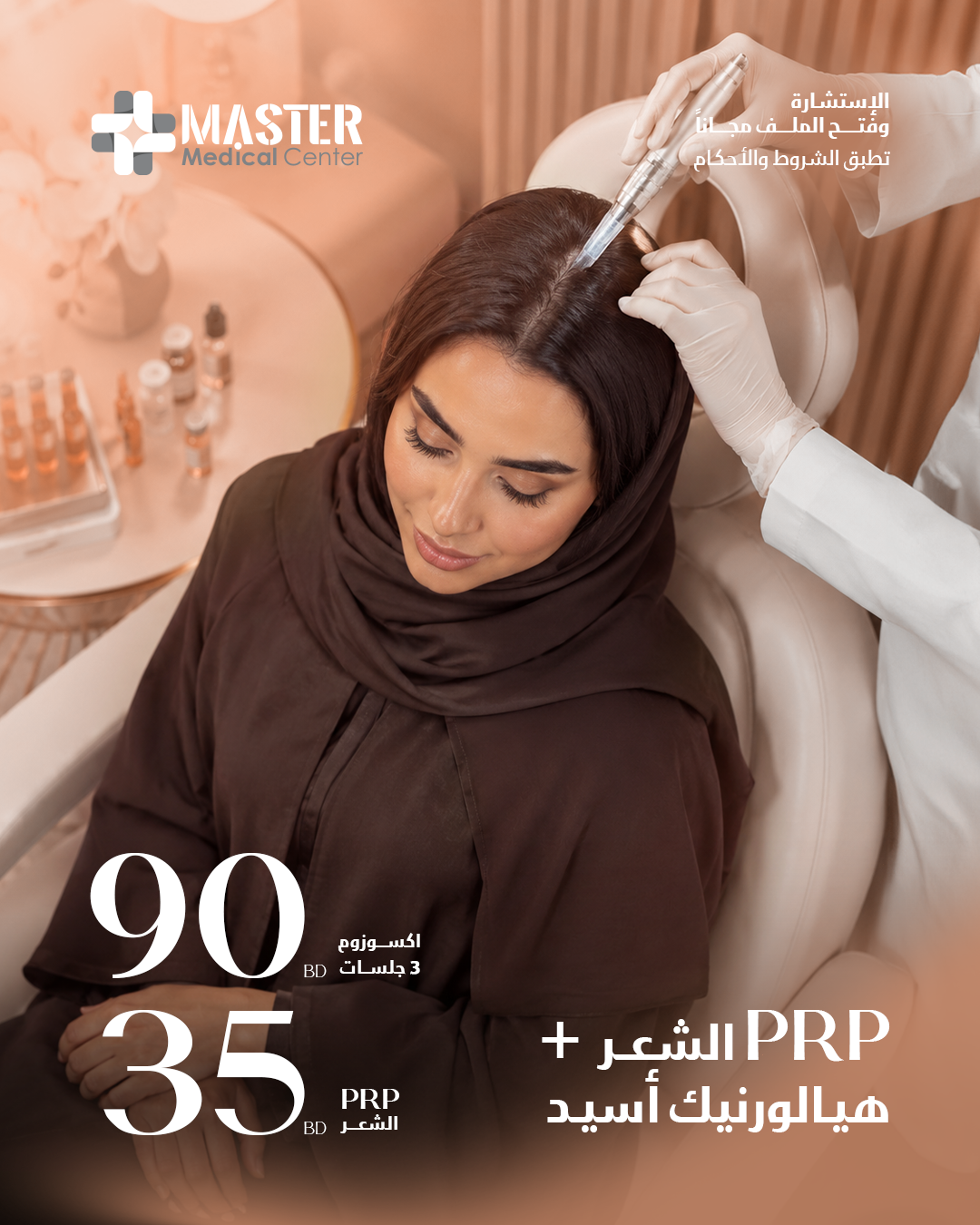
2. PRP (Platelet-Rich Plasma) for Devitalized Skin
When the goal is to enhance skin quality from within and stimulate natural cellular regeneration, PRP therapy stands out as a prime option. It utilizes growth factors derived from the patient’s own processed blood to stimulate tissue renewal. These sessions are well-suited for those experiencing dullness, general skin fatigue, or seeking gradual, long-term revitalization.
PRP results are usually not as instantaneous as surface cleansing and hydrating facials, but they tend to be deeper and longer-lasting with consistent sessions. The required number of sessions depends on skin condition, age, and lifestyle. It is equally important to recognize that individual responses vary, which is a key part of an honest medical evaluation.
3. Mesotherapy for Hydration and Deep Nourishment
Mesotherapy is widely used to boost luminosity, support deep skin hydration, and impart a plumper, more vibrant appearance. It is particularly beneficial when the skin looks depleted or lackluster due to dehydration, stress, or persistent exposure to environmental factors.
What sets this option apart is its targeted delivery of customized nutrient blends tailored to individual needs. However, it cannot be treated as a one-size-fits-all procedure; the specific active cocktails used, session frequency, and individual skin responsiveness all influence the outcome. Therefore, selecting the right specialist and customized plan is just as crucial as the procedure itself.
4. Medical Peels for Pigmentation and Uneven Texture
If your skin appears lackluster due to dead cell buildup, mild superficial pigmentation, or uneven texture, a medical peel may be the most suitable choice. This treatment works by renewing the outer layers of the skin to reveal a clearer, smoother, and more refined complexion.
A vital point to consider: not every peel suits every skin type. Sensitive skin, for instance, requires a completely different protocol compared to oily skin, and skin prone to hyperpigmentation demands greater caution. A successful peel is not about choosing the strongest formula, but rather the most appropriate one for your specific skin phototype.
5. Gentle Laser and Skin Resurfacing Treatments
In certain cases, the most effective treatments for radiance are those that stimulate collagen synthesis, refine skin texture, and reduce the appearance of enlarged pores over time. Specific non-ablative or gentle resurfacing lasers perform this role efficiently, particularly for individuals dealing with mild post-acne marks, textural irregularities, or early signs of skin laxity.
This option generally requires a more meticulous clinical evaluation, as it is not merely a quick cosmetic refresh, but a targeted medical intervention governed by skin type, tolerance levels, and expected recovery time. Its major benefit is delivering satisfying results for those seeking overall improvement in skin architecture rather than just a fleeting glow.
How to Choose the Right Treatment for Your Skin
The right choice does not begin with the most famous procedure, but by asking a more precise question: What is causing your skin to lose its glow?
- Dehydration & Fatigue: Hydrating and nourishing treatments (such as HydraFacial or Mesotherapy) will likely deliver the best results.
- Superficial Pigmentation & Rough Texture: Medical peels or skin resurfacing are often optimal.
- Loss of Vitality & Elasticity: Regenerative treatments like PRP tend to be superior over the medium term.
Time is another critical factor.
Some individuals require immediate results ahead of an upcoming occasion, while others prefer a progressive plan that delivers cumulative improvement. Priorities also vary between those who need minimal downtime and those focused on deeper results even if multiple sessions are required.
Budget considerations cannot be overlooked either.
Some treatments produce noticeable results in a single visit, while others deliver their best outcomes through a structured series. Complete transparency regarding the treatment roadmap, pricing, and estimated number of sessions is foundational to building trust and ensuring clear, surprise-free decisions.
When Are In-Clinic Treatments Alone Not Enough?
Sometimes the complaint is dull skin, yet the root cause lies beyond the skin’s surface. Sleep deprivation, chronic stress, dehydration, smoking, inconsistent home care, or underlying health conditions directly reflect on facial appearance. In these cases, clinical sessions will certainly help, but they cannot maintain results on their own.
Additionally, some assume that “radiance” means resolving all skin concerns simultaneously. However, enlarged pores, acne scars, pigmentation, fine lines, and mild sagging are distinct issues. Your skin may require a staged, multimodal plan combining different treatments. Providing this structured approach is far more medically professional than promising an all-in-one transformation from a single session.
What Makes Results Better and Longer-Lasting?
The success of any aesthetic procedure does not rely solely on the device or the product used. Precise diagnostic assessment, high product quality, matching the protocol to the skin type, and proper post-care follow-up all make the critical difference. This is why many patients prefer specialized centers that unite medical expertise, advanced equipment, and personalized care—because the goal is achieving safe, convincing, and lasting outcomes.
Post-treatment home care is equally vital. Proper moisturization, diligent broad-spectrum sunscreen application, and minimizing skin stressors help lock in your results. Realistically speaking, the best outcomes arise from pairing an appropriate in-clinic protocol with a simple, consistent daily skincare regimen.
When Do Results Become Visible?
This depends entirely on the type of treatment:
- HydraFacial: Delivers an almost instantaneous boost in radiance and freshness.
- PRP & Collagen-Stimulating Sessions: Require more time as the skin undergoes natural cellular regeneration.
- Chemical Peels & Laser Resurfacing: May involve a brief recovery phase before the final, clearer outcome is revealed.
Most importantly, expectations must remain realistic. True radiance is not about altering facial features; it is about enhancing skin quality so it looks rested, healthy, and vibrant. When the clinical assessment is thorough and the plan is properly tailored, the improvement will be distinctly noticeable yet completely natural.
When Should You Consult a Doctor Before Booking?
If your skin is highly sensitive, prone to recurrent hyperpigmentation, or if you have previously experienced adverse reactions to cosmetic treatments, you should avoid choosing a procedure based solely on common trends. A prior medical consultation saves time and eliminates the risk of selecting an unsuitable procedure. This is particularly vital for individuals with active skin infections, inflamed acne, or a history of post-procedure irritation.
At specialized facilities such as Master Medical Center, the value of a consultation goes beyond merely recommending a treatment name. It focuses on thoroughly evaluating your skin’s condition to determine whether you need an instant glow, a regenerative treatment, or a carefully structured, multi-step combination plan.
Conclusion
Radiant skin does not always require the most expensive procedure—it simply requires the right decision at the right time. When your treatment plan is built around your skin’s genuine needs, achieving your desired outcome becomes straightforward: a healthy look, elevated confidence, and the peace of mind that your skincare is in expert hands.