
When people look up teeth whitening before-and-after results, they are asking more than just about shade variations in photographs. They are asking a deeper, more practical question: Will I truly get a cleaner, brighter smile, and is the treatment worth the appointment?
The truth is that professional whitening can make a noticeable difference from the very first visit, but the exact degree of transformation depends on the baseline condition of your teeth, the type of stains, and your post-treatment care routine.
Before-and-after photos are undeniably appealing, but they don’t always tell the complete story. Some patients experience a striking transformation because their baseline yellowing was caused by coffee, tea, smoking, or surface stain buildup. Others see noticeable yet subtler improvements because their natural tooth shade is darker or because they have existing dental restorations that do not respond to bleaching agents. For this reason, realistic expectations matter far more than exaggerated promises.
Teeth Whitening Before and After: How Results Actually Look
In most cases, improvements are noticeable right from the first in-office session. Teeth appear cleaner, yellow undertones fade, and the overall shade becomes brighter and more uniform. Sometimes the change is subtle yet elegant; other times it is dramatic enough for patients to notice an immediate difference in mirrors and photos. This depends on the starting shade severity, the whitening technology utilized, and the quality of the whitening gel.
An ideal result is not necessarily an ultra-stark, chalky white. Medically and aesthetically, the best outcome is a naturally brighter shade that harmonizes with your facial contours, lips, and skin tone. Many patients request extreme white shades, but the superior choice is usually a vibrant, healthy luminosity that looks genuine rather than artificial. This underscores the value of a pre-treatment clinical evaluation—true expertise focuses not just on maximum lightening, but on a refined final look that delivers lasting confidence.
Why Do Before-and-After Results Vary from Person to Person?
- Type of Staining: Extrinsic stains caused by dark beverages (coffee, tea, red wine) and smoking typically respond exceptionally well. In contrast, deep intrinsic stains, enamel thickness, and the natural underlying color of the dentin directly dictate the final achievable shade.
- Baseline Oral Health: The presence of tartar (calculus), plaque buildup, active gingivitis, or untreated dental decay can hinder optimal results. This is why a professional dental cleaning (scaling and polishing) is an essential preliminary step—it clears surface barriers, allowing the whitening gel to penetrate evenly across all tooth surfaces.
- Existing Restorations (Fillings, Crowns, Veneers): Synthetic dental materials do not change color with peroxide whitening agents like natural enamel does. If you have composite fillings or crowns in your anterior (front) teeth, a shade discrepancy may emerge. An experienced dentist will explain upfront what can be brightened and whether restorative adjustments will be needed afterward for a completely uniform smile.
Does All Tooth Yellowing Respond to Whitening?
Not always. Yellowing linked to lifestyle habits usually responds well, whereas structural discoloration caused by certain medications (such as tetracycline) or developmental enamel conditions (like fluorosis) may have limited responsiveness.
In these scenarios, the issue is not the quality of the session, but the biological nature of the discoloration. An honest clinical assessment prevents disappointment and ensures your decisions are based on medical facts rather than generic internet photos.
What to Expect During and After Your Whitening Session
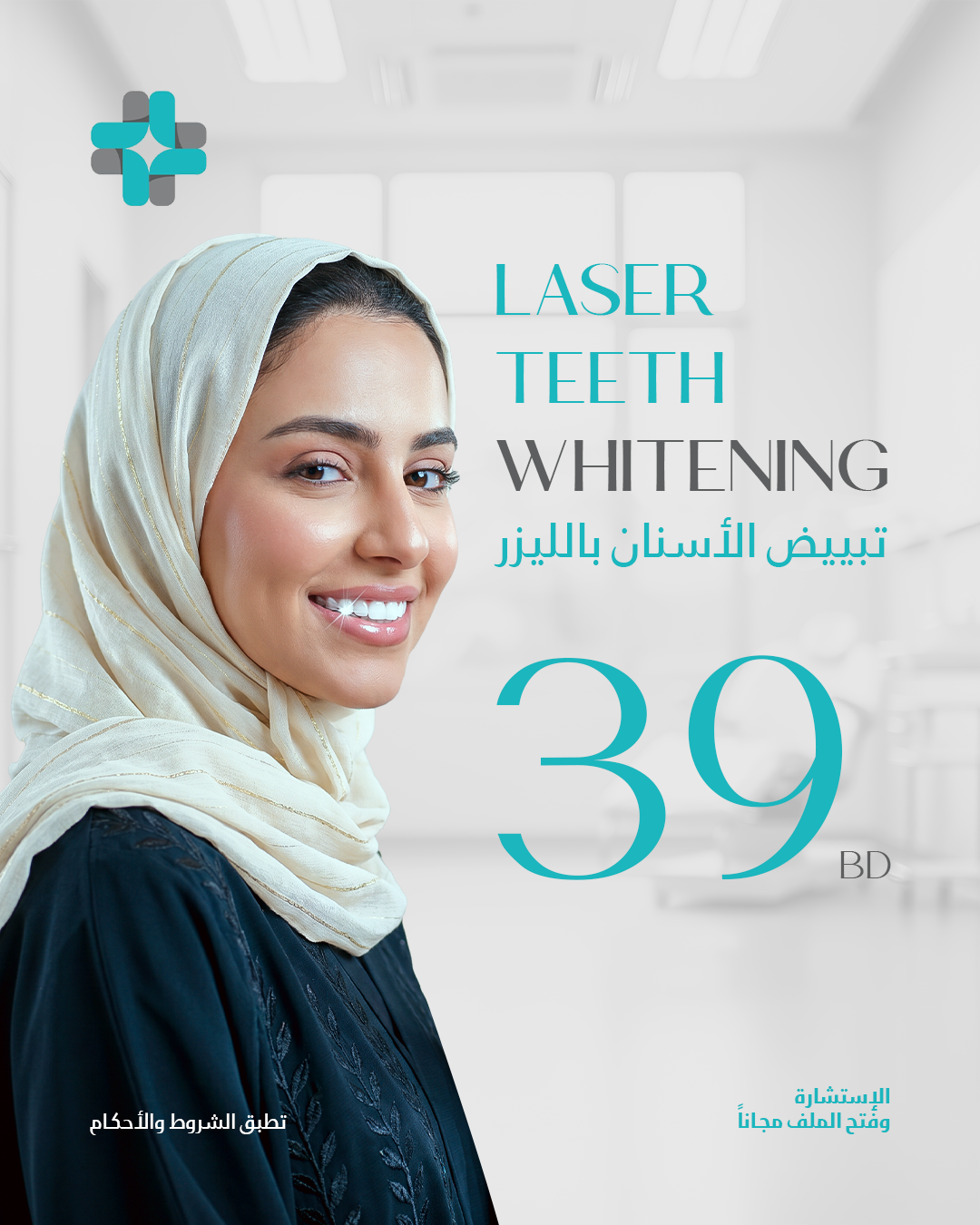
An in-office whitening session is designed to be fast and safe under professional supervision. It begins with a comprehensive dental and gingival check, followed by applying a protective barrier over the gums and soft tissues. The whitening gel is then carefully applied at a calibrated clinical concentration. While some systems utilize activating light or laser technology, the most critical factor remains precise application and product quality.
Immediately after the session, teeth will appear brighter and more luminous. The shade may appear slightly more intense on day one and then settle into its true, stable shade within 24 to 48 hours. Mild, temporary sensitivity to hot or cold temperatures is common and generally transient, fading within a short period. This is a standard physiological response and is another reason why in-office whitening under medical supervision is far safer than unverified over-the-counter kits.
How Long Do Whitening Results Last?
The realistic answer depends entirely on your lifestyle habits. If you frequently consume coffee, tea, colored beverages, or smoke, stains will re-accumulate faster. However, with diligent oral hygiene and minimizing chromogenic foods, your brighter smile can last significantly longer.
Post-whitening care is simple yet impactful. The first 48 hours are critical because the enamel pores are temporarily more permeable and receptive to pigments. Following a “white diet,” brushing regularly, and scheduling routine cleanings help preserve your results. Periodic touch-up treatments can easily maintain that initial brilliance over time.
Is Teeth Whitening Permanent?
Whitening is not permanent in the literal sense, but it provides lasting satisfaction when maintained properly. It is best viewed as part of an ongoing oral hygiene and personal care routine rather than a one-time, permanent fix. Just as you maintain routine dental cleanings, preserving tooth brightness requires basic, consistent care that pays dividends in daily confidence and appearance.
When Can Before-and-After Photos Be Misleading?
While many comparison photos are genuine, some do not reflect clinical reality. Camera angles, studio lighting, digital editing, and even tooth dehydration immediately post-procedure can make results look dramatically exaggerated. That is why relying on an individualized dental assessment is far more reliable than generic marketing images.
Professional integrity shows when your dentist explains whether you are an immediate candidate for in-office whitening or if you first require scaling, gum treatment, cavity restoration, or even alternative cosmetic solutions (like veneers) if color is not your only concern.
Who Is an Ideal Candidate for Teeth Whitening?
Most adults with healthy teeth and gums can benefit from whitening, especially when addressing extrinsic staining or natural aging discoloration. However, it is not suitable at all times: active gingivitis, extreme dentin hypersensitivity, or untreated cavities must be resolved first.
Expectations also matter. If you are looking for a noticeable, natural enhancement, whitening is an outstanding choice. If you seek a radical transformation despite having structural tooth defects or multiple anterior restorations, other cosmetic modalities may achieve your goals more accurately.
How to Achieve the Best Results Safely
The best result does not come from the harshest chemical, but from a protocol tailored to your mouth. A comprehensive pre-exam identifies the root cause of discoloration, followed by choosing the right concentration and providing clear post-care instructions.
At an integrated facility like Master Medical Center, whitening decisions are never made in isolation from comprehensive oral health. This elevates patient safety and aligns the outcome with your genuine clinical needs—whether preparing for an upcoming event or simply seeking a cleaner, more confident smile.
Note on Pricing: When comparing options, remember that price reflects the thoroughness of the evaluation, product grade, clinical oversight, and structured aftercare. A good offer is not just the cheapest; it is the one that delivers tangible value and peace of mind from your very first visit.
Questions to Ask Yourself Before Booking
- Is my issue strictly tooth shade, or do I have calculus and plaque that need professional scaling first?
- Do I have anterior composite fillings or crowns that will not change color?
- Am I looking for an elegant, natural glow or an unrealistic shade of white that might not suit my features?
Conclusion
The most beautiful smile is not always the whitest, but the healthiest, most balanced, and most comfortable for you. When your whitening outcome is built on honest clinical evaluation, practitioner expertise, and proper aftercare, before-and-after photos become a true reflection of something deeper: looking and feeling your absolute best because you cared for yourself the right way.