
The decision between orthodontics (braces or clear aligners) and dental veneers is not merely about appearance. Many patients walk into the dental clinic seeking a faster path to a beautiful smile, but a clinical examination often reveals the fundamental question: Is the issue a superficial cosmetic concern, or is there a need to correct tooth alignment and bite from the ground up? This is where the distinction begins, and where the value of an accurate diagnosis before taking any step becomes clear.
In clinics that combine therapeutic expertise with aesthetic precision, the objective is not just enhancing the final look, but achieving a comfortable, safe, and long-lasting result tailored to the natural anatomy of your teeth. Making the wrong choice might provide a pleasing appearance in the short term, but it will not resolve the root cause of the problem.
Orthodontics vs. Veneers: What Is the Fundamental Difference?
- Orthodontics is both a functional and cosmetic treatment. Its primary purpose is to gradually guide teeth into their correct anatomical positions, optimize the bite (occlusion), resolve crowding or spacing, and correct issues of protrusion or tilting. In other words, orthodontics corrects the actual arrangement of the teeth, not just their exterior appearance.
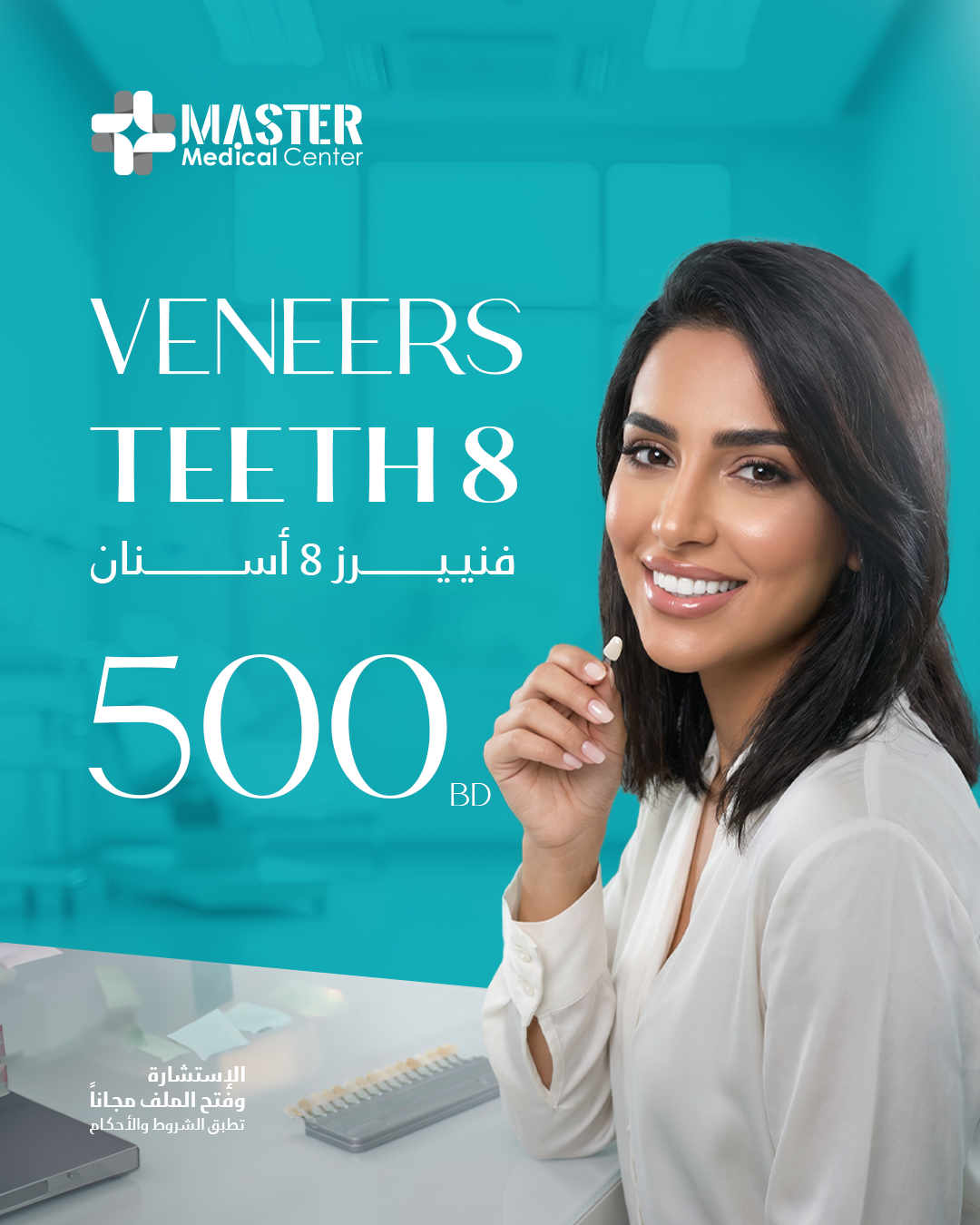
- Veneers, on the other hand, are a cosmetic solution based on covering the front surface of the teeth with ultra-thin shells—typically crafted from porcelain or advanced ceramic materials. The goal here is to enhance tooth shape, shade, size, and symmetry, especially when the underlying dental alignment is relatively sound but the patient is dissatisfied with the appearance.
Put simply: if the problem lies in the position of the tooth, orthodontic treatment is usually favored. If the problem lies in the shape, color, minor enamel wear, or mild spacing, veneers may be the ideal choice. However, clinical reality is rarely one-dimensional; some cases require orthodontic alignment first, followed by selective veneers to achieve the most harmonious outcome.
When Is Orthodontics the Better Choice?
Orthodontics is the preferred option when you present with:
- Noticeable dental crowding.
- Significant gaps (diastemas).
- Prominent anterior protrusion (overjet).
- Malocclusion (bite issues) that affects chewing function or jaw joint (TMJ) comfort.
In these situations, masking the issue with veneers may temporarily improve aesthetics, but it does not correct the underlying skeletal and dental relationships.
Furthermore, if you prioritize preserving your natural tooth structure, orthodontics is far more conservative than veneers because it does not require resurfacing or altering the enamel. While it demands time and patience, it delivers genuine structural correction. It is also ideal for younger patients or those who prefer to avoid tooth preparation for cosmetic purposes. With modern advances such as clear aligners, adult orthodontics has become far more discreet, comfortable, and accessible.
When Are Veneers the Most Suitable Choice?
Veneers are best suited for cases where dental alignment is generally acceptable, but clear aesthetic imperfections exist, such as:
- Deep intrinsic discoloration that does not respond to professional teeth whitening.
- Minor chips, cracks, or enamel wear.
- Discrepancies in tooth size or shape.
- Mild, isolated gaps.
- A desire for a significantly brighter, uniformly symmetrical smile within a short timeframe.
Veneers are particularly attractive to those seeking rapid aesthetic transformation compared to orthodontics. Patients whose concerns are purely cosmetic rather than functional often prefer not to undergo months of orthodontic treatment. Here, veneers offer a practical and rewarding solution—provided they are placed following a thorough assessment of periodontal (gum) and dental health.
However, clarity is essential: veneers are not a universal fix. If teeth are severely crowded or noticeably protruding, placing veneers alone can produce an unnaturally bulky result or necessitate excessive tooth reduction.
In Terms of Aesthetics: Which Looks Better?
The honest answer is: the best result is the one tailored to your specific case.
Orthodontics delivers beauty derived from natural alignment, producing a smile that is in complete harmony with your original facial and oral anatomy. Veneers, by contrast, provide greater customization over smile design—allowing precise control over shade, dimensions, contours, and surface texture.
If you seek a completely natural look, orthodontic alignment followed by professional whitening may be all you need. If you desire a more transformative, high-impact aesthetic enhancement, veneers achieve that much faster. What matters most is avoiding decisions based solely on before-and-after photos, focusing instead on clinical suitability.
In Terms of Duration: Faster Is Not Always Better
Orthodontic treatment takes time. The timeline varies depending on the complexity of crowding, spacing, bite correction, and patient compliance—ranging from several months to a couple of years. It requires patience and a commitment to treating the underlying cause.
Veneers are significantly faster, typically completed within a few appointments. While speed is one of their greatest advantages, it does not make them a substitute for necessary orthodontic care. Waiting through orthodontic alignment is often the wiser choice when long-term functional stability and comfort are at stake.
Preserving Natural Tooth Structure
This is a vital consideration. In most orthodontic cases, the tooth surface remains entirely untouched; treatment solely involves moving teeth within the alveolar bone. Consequently, dentists consider orthodontics the most conservative option for alignment concerns.
In contrast, veneers often require minimal preparation (shaving a fraction of a millimeter of enamel) depending on the case and material used. While modern “minimal-prep” techniques are exceptionally conservative, direct alteration of the tooth structure is still involved. This decision must be weighed carefully, particularly for younger patients or those with healthy, undamaged teeth.
Can Orthodontics and Veneers Be Combined?
Yes—and in many cases, this hybrid approach yields the ideal outcome.
Certain cases benefit from initial orthodontic alignment to correct crowding and balance the bite, followed by minimal veneers to refine aesthetic details that braces cannot fix alone—such as disproportionate tooth sizes, worn edges, or severe enamel discoloration.
This strategy ensures balance. Instead of forcing veneers to correct severe misalignment beyond their scope, or accepting aesthetic limitations after braces, treatment is thoughtfully phased. At specialized centers such as Master Medical Center, this integrated multidisciplinary approach makes a significant difference in long-term satisfaction and clinical success.
How to Make Your Decision
Do not base your decision solely on speed or trends on social media. Begin with a comprehensive clinical examination that answers three key questions:
- Is the problem primarily functional, cosmetic, or both?
- Are your teeth and gums healthy enough to support veneers?
- Does your desired outcome require moving the teeth or altering their shape and color?
If your priority is correcting the root cause, optimizing your bite, and preserving natural enamel, orthodontics takes the lead. If your priority is rapidly upgrading smile aesthetics over a structurally sound foundation, veneers may be ideal. In complex cases, a sequenced combination plan is the most effective path forward.
Be clear with your dentist about your expectations: Do you prefer a subtle, natural smile or a striking cosmetic transformation? Is treatment speed your priority, or is enamel preservation your primary goal? These details directly shape the final clinical recommendation.
Cost vs. Value: Look Beyond the Price Tag
Inquiring about cost is essential, but true value lies in how accurately the treatment addresses your clinical needs. Patients sometimes choose what appears to be a cheaper or faster option, only to discover later that the primary functional issue went unaddressed—resulting in unexpected revisions, additional costs, and frustration.
True value comes from receiving a tailored treatment plan from day one, accompanied by complete clarity regarding timelines, expected outcomes, and maintenance protocols. Transparency in diagnosis and pricing ensures confident, comfortable decisions and builds lasting trust.
Conclusion: The Right Choice Is the One Made for You
When asking whether orthodontics or veneers are better, you are not choosing between a good and a superior treatment in absolute terms—you are choosing between two distinct clinical solutions. Orthodontics restores alignment and function, while veneers redefine color, shape, and overall cosmetic presentation. Between them lies a wide range of possibilities that require professional, individualized evaluation.
If you have been considering improving your smile, do not let indecision delay your consultation. An accurate diagnosis streamlines your journey and brings you closer to a smile that truly suits you—healthy, comfortable, beautiful, and built on lasting confidence.