
The decision rarely starts with just the desire to remove unwanted hair; it begins with a more precise question: How can I achieve clear, comfortable, and reliable results without trial and error? This is where a comprehensive laser hair removal guide becomes indispensable. Clinical success depends not on the technology alone, but on an accurate initial assessment, calibrated device settings, and strict adherence to pre- and post-treatment guidelines.
Laser hair removal is one of the most transformative aesthetic services for everyday routines. Drastically reducing hair regrowth, eliminating razor bumps, preventing waxing irritation, and refining skin texture make it a consistently popular choice for both women and men. However, achieving the best outcome always begins with a grounded, realistic understanding of what laser can and cannot do.
How Does Laser Hair Removal Actually Work?
The core principle is straightforward: the device emits focused light energy that is selectively absorbed by the melanin pigment within the hair shaft. This light converts into heat, traveling down to the follicle and disabling its ability to regenerate hair with the same strength and thickness.
While the best response historically occurs when there is a strong contrast between skin tone and hair color, advancements in modern wavelength technologies (such as Nd:YAG and Alexandrite) now allow diverse skin phototypes to be treated safely and effectively under expert supervision.
A crucial fact to remember: laser does not eliminate all hair in a single visit. Hair grows in distinct biological cycles, and laser energy is primarily effective on follicles during their active growth stage (anagen phase). Therefore, a structured series of spaced sessions is required to catch the maximum number of follicles at the right biological moment.
Who Is an Ideal Candidate?
In most cases, laser hair removal is suitable for adult men and women seeking a long-term reduction in facial or body hair. It is especially beneficial for those struggling with:
- Rapid, dense hair regrowth.
- Persistent razor burn and irritation.
- Chronic ingrown hairs (folliculitis) that cause recurrent redness, dark spots, and inflammation.
However, an individualized clinical assessment remains paramount. Skin phototype, hair diameter, anatomical location, medical history, and concurrent medications all influence the treatment plan. While many achieve outstanding results, others require adjusted expectations or brief deferrals until the skin barrier is healthy.
Note: Pregnancy, active skin infections, open wounds, or the use of photosensitizing medications warrant postponing treatment. Additionally, white, gray, or ultra-fine light blonde hair shows limited responsiveness due to the lack of target melanin.
Is Laser Suitable for All Body Areas?
Yes, laser can be applied across multiple zones—including the face, underarms, arms, legs, back, chest, and bikini line. However, response rates vary by region:
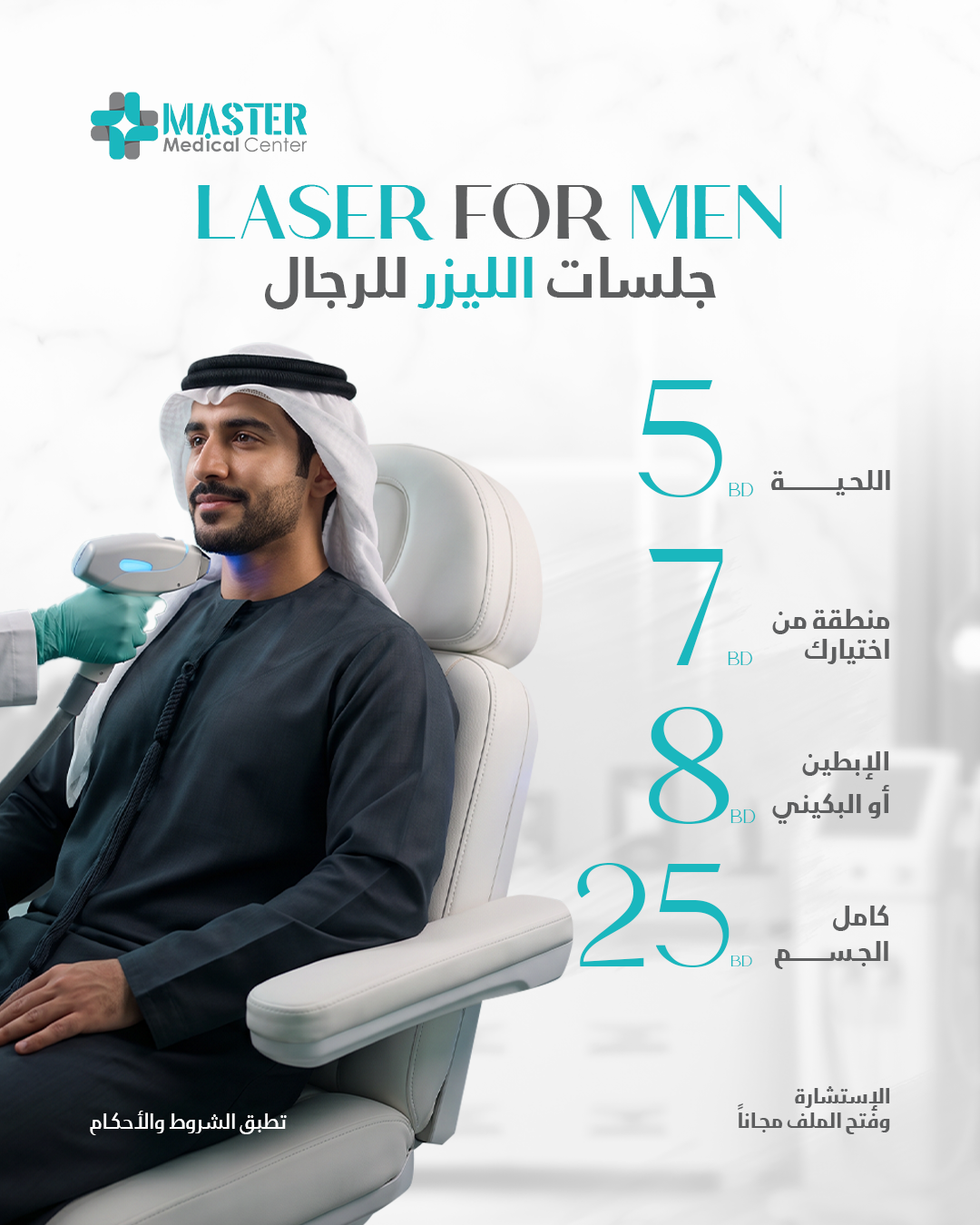
- For Men: Areas like the back, shoulders, and chest are among the most requested, but often require patience and consistent sessions due to high hair density and follicle depth.
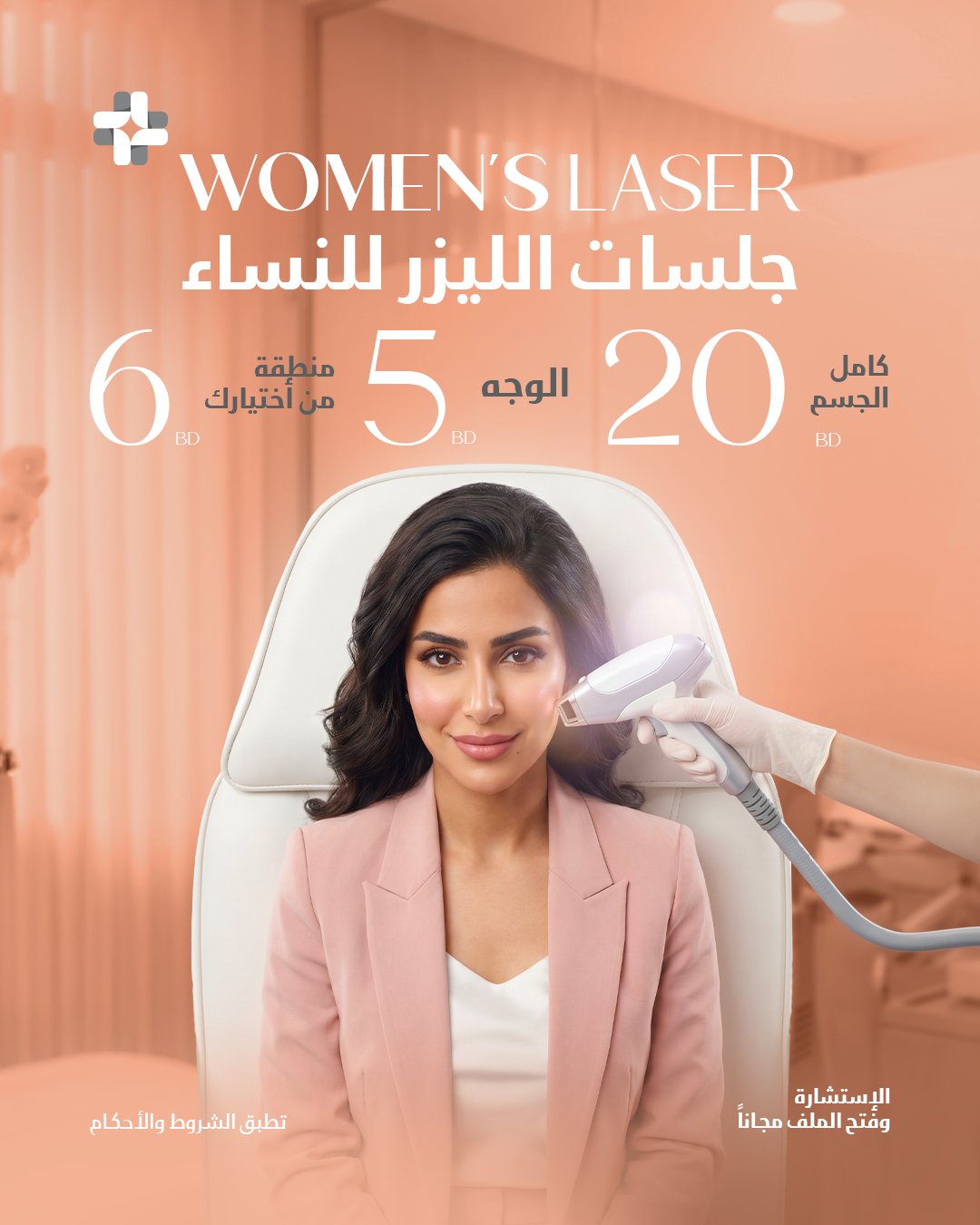
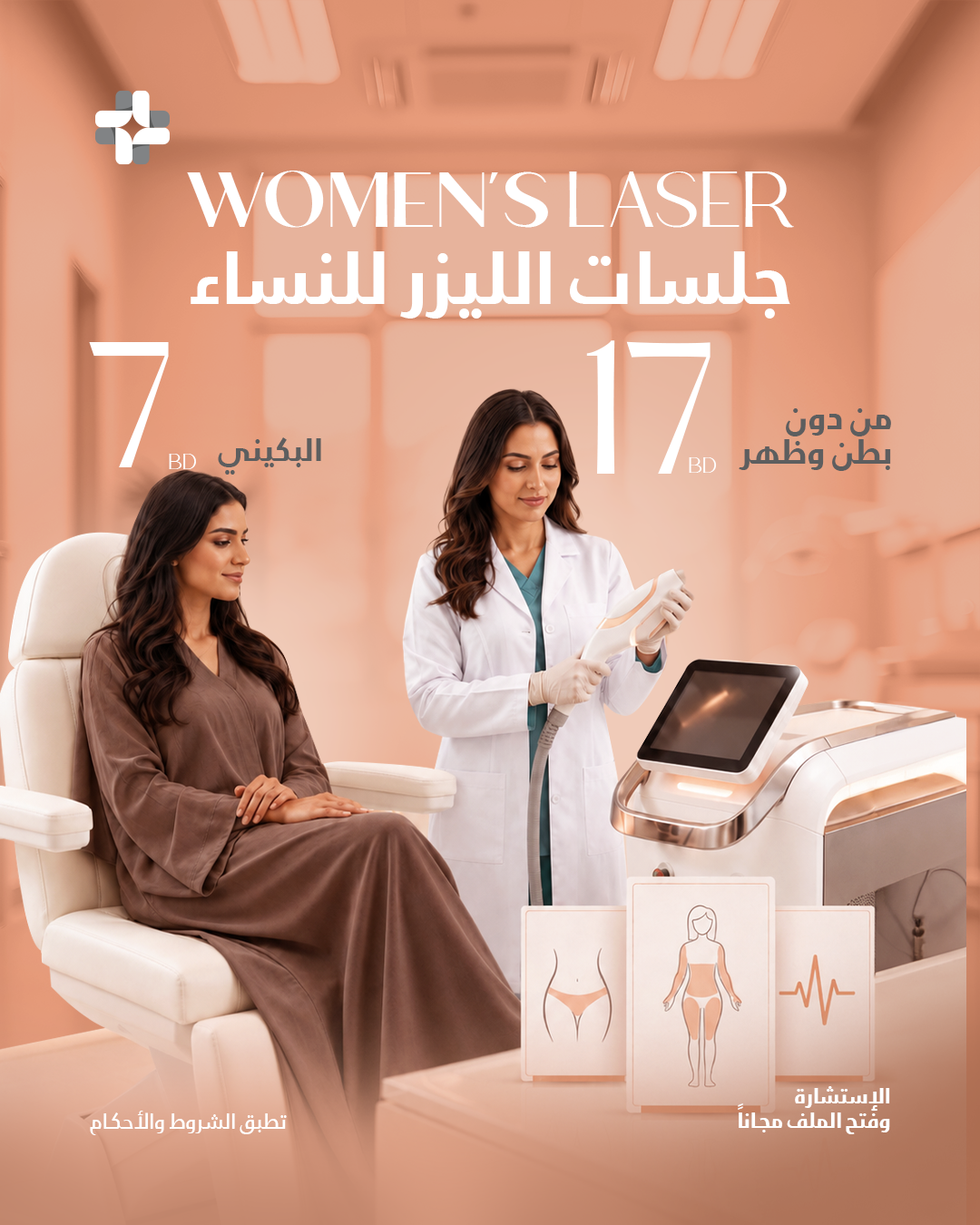
- For Women: Intimate areas and the face require meticulous calibration because the skin is thinner and delicate, and underlying hormonal shifts can influence total session counts.
What Results Should You Realistically Expect?
A realistic outcome is not instant, permanent disappearance after visit number one. What happens naturally is that treated hairs shed gradually over days to a couple of weeks post-session. Subsequent regrowth returns slower, sparser, and noticeably finer. With each completed session, density progressively declines.
Total session counts vary by individual, but most cases require an initial series (typically 6 to 8 sessions) followed by periodic maintenance sessions tailored to biological response. Hormonal profiles play a major role here: individuals with Polycystic Ovary Syndrome (PCOS) or hormonal fluctuations often see substantial reduction, but require long-term maintenance to sustain results.
Transparency is essential: laser provides significant, long-term hair reduction, not a generic one-size-fits-all guarantee. The more precise the initial evaluation, the more predictable and satisfying your long-term results will be.
Pre-Session Preparation: What to Do Before Your Appointment
Proper preparation prevents complications and maximizes clinical efficacy:
- Avoid Root-Removal Methods: Refrain from waxing, threading, sugaring, or plucking for at least 2 to 4 weeks prior to your session. The laser requires an intact hair root within the follicle to destroy it. Shaving, however, is permitted and recommended.
- Avoid Intense Sun & Tanning: Avoid direct UV exposure, tanning beds, and self-tanners before your session. Tanned skin increases the risk of superficial burns and hyperpigmentation, often requiring appointment postponement.
- Disclose Active Skincare & Medications: Inform your clinical provider about any topical retinoids, exfoliating acids (AHAs/BHAs), or prescription medications. These may need to be paused temporarily, particularly when treating the face.
Should You Shave Before Your Session?
In most cases, yes. Leaving long hair above the skin surface wastes laser energy on the external shaft, increases surface heat sensation, and reduces energy transmission to the root. Follow your clinic’s specific timing guidelines (usually 24 hours prior) for optimal comfort and safety.
During the Session: What to Expect
The procedure is typically much faster than many anticipate. The specialist assesses the area, calibrates the fluence and pulse parameters to your skin phototype and hair density, and glides the laser handpiece across the treatment zone.
The sensation is often described as a brief rubber-band snap or manageable prickle of warmth, significantly minimized by advanced integrated cooling systems. Duration depends on surface area: small zones like the upper lip or underarms take just minutes, while full legs or the back take longer.
Post-Session Care: What Is Normal and What Needs Attention?
Mild redness (perifollicular erythema) or slight warmth is completely normal and typically resolves within a few hours. In the following days, hair may appear to be growing, but it is actually the treated follicles shedding their roots naturally.
- Standard Aftercare: Avoid high heat (hot showers, saunas, steam rooms, vigorous workouts) for 24–48 hours, use gentle barrier-repair moisturizers, and apply broad-spectrum sunscreen diligently to exposed areas. Avoid facial scrubs or harsh fragrances.
- When to Seek Medical Attention: Severe blistering, prolonged intense burning, or unusual discoloration are rare and should be promptly evaluated by your medical provider. Having dedicated clinical access provides immense reassurance.
Common Mistakes That Compromise Your Results
- Inconsistent Scheduling: Large, erratic gaps disrupt biological cycle targeting, reducing cumulative efficacy.
- Root Removal Between Sessions: Waxing or tweezing between appointments strips the follicles of their target for the next visit.
- Premature Expectations: Expecting complete eradication after 1 or 2 visits overlooks the reality that laser is a cumulative process.
- Prioritizing Price Over Safety: Choosing ultra-cheap offers without verifying device grade, hygiene, or practitioner credentials can lead to adverse events and disappointing results.
How to Choose the Right Laser Center
Look beyond aggressive marketing. A trustworthy clinic provides transparent evaluations, realistic session estimates, and clear pre- and post-care guidelines. Qualified medical practitioners, cutting-edge devices suited to diverse phototypes, and strict standards of privacy and hygiene are fundamental.
In Bahrain, many patients prefer receiving aesthetic laser treatments within a fully integrated medical environment. This multidisciplinary setting guarantees clinical safety, accurate dermatological oversight, and structured follow-up. At Master Medical Center, every laser journey is founded on precise assessment, personalized care, and trackable results from your very first session.
When Is the Best Time to Start?
If you have been contemplating laser hair removal but delaying due to conflicting information, start with a professional medical consultation rather than relying on anecdotal advice. Every body responds uniquely; the right starting point is not the most aggressive machine, but the most accurate clinical diagnosis.
When you understand what your skin requires, how your specific areas behave, and what to expect after each visit, laser hair removal transforms from a generic beauty service into a smart, confident investment in your daily comfort and self-confidence.