
The most common question asked before booking laser hair removal is: How many laser sessions do I need? The honest answer is that there is no single number that applies to everyone. Some individuals notice a distinct difference after the first few sessions, while others require a longer roadmap to achieve stable smoothness and a substantial reduction in hair density. The difference is not a matter of luck, but is determined by hair type, the targeted treatment area, hormonal factors, and consistency with appointments.
If you are seeking clear and safe results, what matters more than the raw number itself is having a treatment plan grounded in an accurate initial clinical assessment. Typically, most individuals require between 6 to 8 sessions as a primary treatment phase, followed by periodic maintenance sessions tailored to their biological response. However, this average can shift upward or downward, which directly defines the quality of the treatment plan and sets realistic expectations.
How Many Laser Sessions Do I Actually Need?
When asking about the number of sessions, we are essentially asking how effectively the hair follicles respond to light energy during their optimal growth window. Laser devices cannot capture all hairs in a single visit because hair grows in distinct phases, and the laser is most effective when the follicle is in its active growth stage (anagen phase). That is why the treatment roadmap is divided into structured sessions spaced at precise intervals, rather than a single visit.
Results typically begin as slower regrowth, followed by a noticeable reduction in density, until the hair becomes finer, softer, and significantly less visible. Some body areas respond rapidly, such as the legs and underarms, while other areas—like the face—require greater patience due to hormonal influences and finer hair texture.
What Determines the Number of Laser Sessions?
1. Hair Color and Thickness
Coarse, dark hair generally responds best because the laser energy targets the melanin pigment within the hair shaft. The greater the contrast between hair color and skin tone, the faster the response tends to be. Conversely, very light or ultra-fine hair may require more sessions and can sometimes exhibit a slower response, even with advanced technology.
2. Skin Phototype
Modern laser systems are increasingly safe and effective across diverse skin tones, but selecting calibrated settings remains vital. Deeper skin complexions require heightened precision regarding energy fluence and wavelength selection to ensure stable results without unwanted irritation or hyperpigmentation.
3. Treatment Area
Body hair differs significantly from facial hair. Areas like the underarms, legs, and bikini line typically respond exceptionally well because the hair is naturally darker and thicker. In contrast, facial hair is more closely tied to hormonal fluctuations, often necessitating a higher session count or periodic maintenance to preserve results.
4. Hormones and Medical Profile
Conditions like Polycystic Ovary Syndrome (PCOS), hormonal fluctuations, or specific medications can stimulate faster regrowth or prolong the time needed to see a response. This does not mean laser is ineffective; rather, it means the treatment plan must be realistic and managed under professional supervision, with the understanding that addressing underlying causes enhances long-term stability.
5. Consistency with Appointments
One of the main reasons for delayed results is erratic scheduling. Skipping appointments or booking them too prematurely prevents the laser from targeting follicles at their ideal growth stage. Adhering to the recommended schedule is just as crucial as the laser device itself.
Estimated Session Count by Area
While there is no fixed universal figure, general guidelines can help set clear expectations:
- Underarms and Bikini Line: Often show significant improvement within 4 to 6 sessions, with the full course typically completed in 6 to 8 sessions.
- Legs and Arms: Usually follow a similar timeframe (6 to 8 sessions), especially when the hair is dark and coarse.
- Face (Upper Lip, Chin, Cheeks): Because facial hair is heavily hormone-dependent, it often requires 8 to 10 sessions or more in certain cases, supported by maintenance sessions every few months.
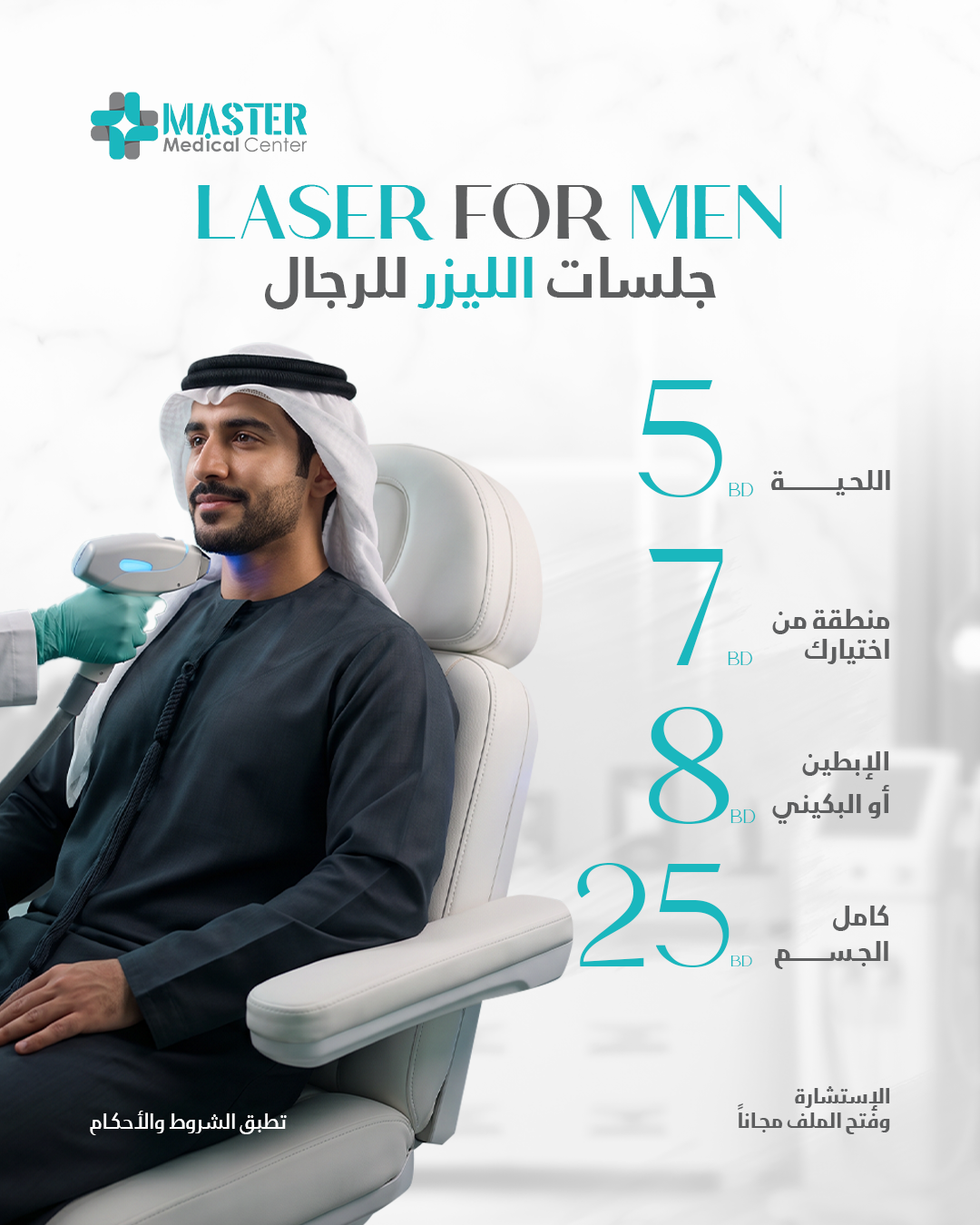
- Back and Chest (Men): Often require an above-average number of sessions when starting with high baseline density and deeper follicles.
When Will I Notice Results?
Many expect hair to vanish permanently right after the first session, but what actually happens is that treated hairs shed gradually over the course of 7 to 14 days. After the first 2 to 3 sessions, you will notice regrowth becoming substantially slower, significantly reducing the need for intermediate shaving. Beyond that, meaningful improvements in hair density and texture become apparent.
Noticeable results do not imply 100% permanent hair elimination for everyone. The realistic medical goal is achieving significant, long-term hair reduction, slower growth, and relief from common concerns like folliculitis, ingrown hairs, and friction-induced dark spots. This alone delivers a transformative boost to daily comfort and personal confidence.
Why Do Some People Require More Sessions?
Because response depends on biology, not technology alone. Two individuals of the same age treated with the exact same technology can experience different timelines. Differences in hair genetics, appointment compliance, or hormonal activity all play a role. Sometimes hair is fine yet widely distributed; other times, sensitive skin demands conservative, progressive energy settings to ensure safety and comfort.
This underscores the necessity of an honest medical assessment. Promising an unrealistically low session count may sound appealing, but it is rarely clinically sound. True quality means receiving a plan customized to your biology, not just a marketing headline.
How to Maximize Results and Minimize Required Sessions
You can optimize your response through simple, impactful habits:
- Stick to the Schedule: Maintain the exact appointment intervals recommended by your specialist.
- Avoid Root Removal: Strictly refrain from waxing, threading, or plucking between sessions, as the laser requires the root to remain in the follicle to be destroyed. Shaving before appointments is both permitted and required.
- Practice Sun Protection: Avoid intense sun exposure before and after sessions, and follow all skincare instructions to keep treatments on schedule without delays.
Will I Need Maintenance Sessions After Finishing?
In many cases, yes—and this is a standard biological expectation, not a sign of treatment failure. After completing the primary series, a maintenance session every 6 to 12 months may be needed depending on the treated area and hair biology. Some individuals require very few touch-ups, while others—particularly those treating facial zones or managing hormonal profiles—benefit from closer follow-up.
Laser delivers substantial, long-lasting reduction, but does not guarantee permanent lifetime eradication of every single follicle. Honesty in this regard provides you with accurate expectations and peace of mind.
Does the Laser Device Really Make a Difference?
Yes, but it is not the only factor. Modern, wavelength-specific devices offer superior efficacy, greater comfort, and lower risk of irritation when used properly. However, even the most advanced laser cannot deliver optimal outcomes if pre-treatment evaluations are inaccurate, energy parameters are mismatched, or appointments are erratic.
When choosing a clinic, look for the synergy between advanced technology and clinical expertise. The machine matters, but having a qualified team that calibrates settings to your skin phototype and adapts to your hair response session after session matters even more. At Master Medical Center, this integrated approach ensures every treatment decision prioritizes safety, privacy, and long-term efficacy.
When Is a Consultation Essential Before Starting?
If you experience sudden or dense facial hair growth, have a history of hormonal disorders, possess highly reactive/sensitive skin, are pregnant, or use photosensitizing medications, a preliminary consultation is essential. An evaluation prevents unsuitable treatments and establishes a precise roadmap from day one.
A consultation is equally vital if you have previously tried laser hair removal without satisfactory results. The issue often lies in timing intervals, device suitability, or misaligned expectations. Reviewing these parameters allows for an optimized, successful treatment plan.
Conclusion
Ultimately, asking “How many laser sessions do I need?” is not about chasing a generic number, but about achieving clear, lasting results that justify your time and investment. When your plan is medically sound, expectations are realistic, and clinical follow-up is diligent, laser hair removal becomes a deeply rewarding investment in personal comfort and daily confidence. If you are undecided, start with a professional consultation that delivers personalized answers tailored to your unique skin and hair needs.