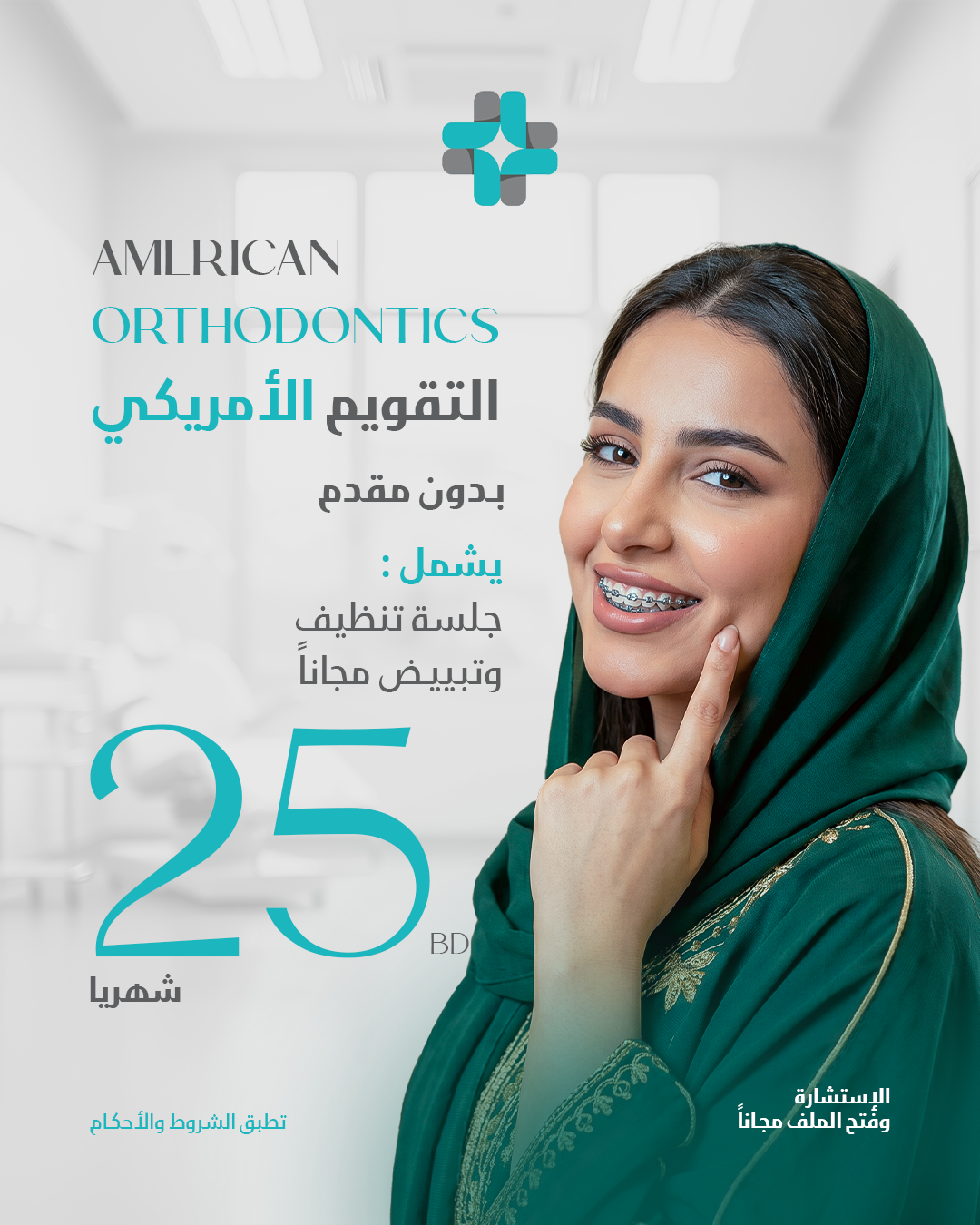

All types of orthodontic appliances may look similar in photos, but the actual treatment experience is completely different: an orthodontic option that suits your coworker may not fit your specific dental anatomy, lifestyle, or budget. That is why the right guide to choosing braces begins with a diagnosis, not the color of the elastic bands or the price of a promotional offer. The ultimate goal is not merely straightening teeth, but achieving a healthy, functional, and comfortable smile with results that endure for years.
Choosing orthodontic treatment is a decision that balances clinical necessity with cosmetic goals. The issue may be mild crowding of the front teeth, or it may involve complex bite misalignments, spacing, tooth protrusion, or jaw discrepancies. Therefore, a comprehensive examination with a qualified orthodontist is the essential step that protects you from hasty promises unsuited to your case.
Why Is There No One-Size-Fits-All Orthodontic Option?
The ideal type of braces depends on precise variables: case complexity, periodontal and dental health, age, patient compliance, and your desired outcome. Certain severe malocclusions require the high mechanical control and force of fixed systems, whereas mild-to-moderate alignment issues can easily benefit from more discreet, aesthetic options.
Lifestyle feasibility is equally critical. If you work in a public-facing role or attend frequent social events, you may prefer a more subtle cosmetic option. Conversely, if you worry about forgetting to wear removable trays for the required hours each day, fixed appliances may be far more practical. True convenience is not just picking the most invisible appliance, but choosing a treatment plan you can follow diligently to completion.
A Guide to Available Types of Orthodontic Treatments
1. Traditional Metal Braces
Metal braces remain a reliable and highly effective option for numerous cases, especially when severe dental crowding exists or when multi-directional, precise tooth movement is required. They rely on high-grade stainless steel brackets and archwires adjusted during routine clinic visits, and are typically more cost-effective compared to cosmetic alternatives.
While noticeable when smiling, modern metal brackets are smaller, smoother, and far more comfortable than in the past. They are ideal for patients who prioritize clinical efficiency and structured progress without the daily responsibility of tracking removable trays.
2. Ceramic / Clear Fixed Braces
Fixed ceramic braces function using the same mechanical principles as traditional metal braces, but the brackets are tooth-colored or translucent. For this reason, they are favored by many adults and professionals who wish to minimize the visual impact of braces during work and daily social interactions.
This option balances fixed biomechanical control with a subtler appearance. However, they require diligent oral hygiene to prevent staining around the brackets from coffee, tea, and pigmented foods. Additionally, ceramic systems often carry a higher cost than metal braces—a factor to consider based on your priorities.
3. Lingual Braces (Behind the Teeth)
Lingual braces are custom-fitted to the back (lingual) surfaces of the teeth rather than the front, making them completely hidden when smiling. They are ideal for those who place maximum priority on discreetness, but they are not the easiest option for every case.
They demand high planning precision and may require a longer adaptation period due to their proximity to the tongue. Some patients experience a temporary lisp during the initial days, and daily oral hygiene can be more demanding. They should not be chosen solely because they are hidden, but after confirming case suitability and your comfort with their practical maintenance.
4. Clear Removable Aligners
This modality consists of a custom-designed series of transparent, medical-grade plastic aligners that shift teeth in progressive stages. Their defining feature is being removable during meals and oral hygiene routines, offering superb lifestyle flexibility and making brushing and flossing straightforward.
However, this flexibility requires strict discipline: aligners must be worn for the majority of the day (typically 20 to 22 hours) according to orthodontic instructions. Inconsistent wear will stall progress or compromise precision. Clear aligners are excellent for specific case complexities, but should not be assumed to treat every severe skeletal malocclusion.
What Does the Pre-Treatment Examination Reveal?
Looking at your teeth in the mirror is not enough. The orthodontist begins with a thorough evaluation of the teeth, gums, and occlusal relationships, supported by diagnostic radiographs, clinical photography, and 3D digital dental scans. These records determine whether your concern is purely aesthetic or requires broader skeletal and functional correction.
During your consultation, ask about realistic expected outcomes rather than airbrushed ideals:
- Does treatment require extractions or jaw expansion?
- Are there existing cavities, crowns, or gum inflammation that must be treated first?
- Is periodontal bone support healthy?
Clear answers provide realistic expectations regarding time, financial investment, and procedural steps. Your orthodontist should also openly discuss your options. In certain complex movements, metal braces provide superior biomechanical control and greater stability, even if clear aligners were your initial cosmetic preference. A dedicated specialist does not sell a single product; they explain their clinical recommendations in service of your long-term oral health.
Treatment Duration and Cost: How to Compare Fairly
Treatment length is not governed by the “speed” of an appliance, but by biological tissue response, case complexity, and patient compliance. Mild cases may take a few months, while complex bite corrections require more time. Missed visits, broken brackets, or inconsistent aligner wear directly extend treatment timelines.
When evaluating cost, look beyond the advertised headline price. Clarify what the package covers:
- Are diagnostic scans and X-rays included?
- How many follow-up visits are projected?
- Are there separate fees for appliance repairs or replacement aligners?
- Is post-treatment retention (retainers) included?
Financial clarity is part of quality care, ensuring peace of mind without hidden obligations. Promotional packages can be a great opportunity, but they do not replace diagnostic rigor. A low price is never a bargain if follow-up is erratic or if materials compromise clinical standards.
Practical Questions to Ask Before Starting
- How visible will the appliance be, and what is the proper cleaning method?
- Are there specific dietary restrictions?
- What is the projected appointment frequency, and what should I do in case of discomfort or a broken bracket/wire?
- For Clear Aligners: How many daily wear hours are required, how do I handle hot/colored drinks, and what is the protocol if a tray is lost?
- For Fixed Braces: What specialized interdental cleaning aids are recommended to prevent decalcification and white-spot lesions?
The Critical Retention Phase
Do not overlook the retention phase. Teeth naturally tend to shift over time, making retainers essential to preserve your investment. Neglecting this phase can lead to orthodontic relapse, even after successful alignment.
Oral Hygiene During Treatment Protects Your Results
Orthodontic appliances do not cause tooth decay on their own, but they create traps where food debris and plaque accumulate. Thorough brushing after meals, utilizing specialized orthodontic brushes and floss threaders, and routine professional cleanings protect both aesthetics and periodontal health.
For clear aligner wearers: clean the aligners regularly, avoid exposing them to hot water, and never wrap them in napkins where they can be accidentally discarded. Always use your designated storage case and brush your teeth before reinserting trays after meals.
Conclusion
At Master Medical Center in Bahrain, an orthodontic consultation provides a personalized evaluation that balances clinical efficacy, aesthetics, and budget within a comfortable, patient-centered environment. Inquire about available orthodontic options, flexible payment plans, and current packages before finalizing your decision.
Your smile does not need a rushed decision; it needs an orthodontist who listens to your goals and designs a structured, manageable treatment plan. Book a consultation, ask all your questions, and choose the orthodontic treatment that gives you complete confidence throughout the entire journey—not just on the day your appliances are removed.