
Sometimes the issue is not just the amount of hair falling out each day, but the creeping realization that overall density is declining and the difference is becoming noticeable in the mirror. This leads to the most frequent question in dermatology clinics: Does PRP really treat hair loss?
The professional, reassuring answer is: yes, in specific cases, PRP can significantly help reduce shedding and improve hair quality—but it is not a magic cure for every cause or every stage of hair loss.
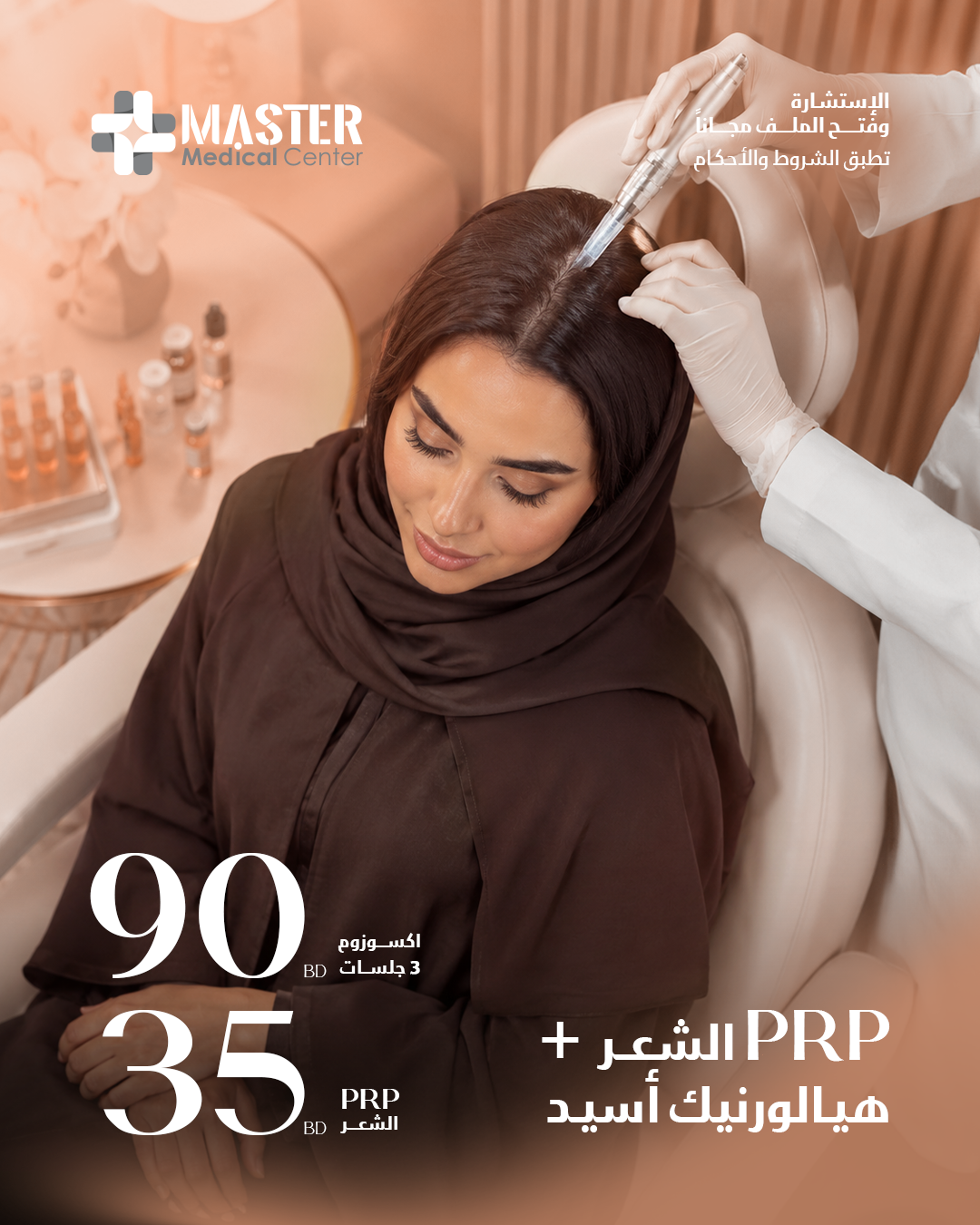
Platelet-Rich Plasma (PRP) for hair is a non-surgical therapeutic procedure that involves drawing a small sample of the patient’s own blood, separating the concentrated platelets, and micro-injecting them into the scalp. The principle is not about introducing a foreign substance into the body, but rather harnessing the growth factors naturally present in your blood to stimulate dormant or weakened follicles and revitalize their surrounding environment. For this reason, many men and women choose this option when seeking a safe, quick treatment that requires virtually no downtime.
Does PRP Truly Treat Hair Loss?
Yes, but the outcome depends entirely on the underlying cause.
PRP is most effective when hair loss is driven by weakened follicles, early-stage androgenetic alopecia (pattern baldness), stress, hormonal fluctuations, or following periods of acute shedding where the follicles remain alive and responsive. In these cases, treatment sessions can help reduce daily shedding, increase hair shaft diameter, and support new growth to varying degrees depending on the individual.
However, if areas of the scalp have been completely bald for an extended period, if there is dermal fibrosis (scarring), or if an undiagnosed underlying medical condition exists, PRP alone cannot serve as a sufficient solution.
This distinction is critical: many cases require identifying the root cause first through clinical evaluation and blood work—such as checking ferritin (iron stores), vitamin D levels, thyroid function, or specific hormonal profiles. Successful restoration begins with understanding the cause, not merely selecting a procedure.
How Does PRP Work in the Scalp?
When PRP is injected into targeted areas, it delivers a high concentration of platelets and essential growth factors directly to the follicular microenvironment. This helps:
- Stimulate scalp microcirculation.
- Enhance nutrient and oxygen delivery to the hair roots.
- Prolong the anagen (active growth) phase of the hair cycle.
Consequently, its benefits extend beyond curbing hair shedding; over time, it also improves hair texture, tensile strength, and overall density.
However, it is essential to understand that results do not appear overnight after the first session. Hair follicles respond progressively, requiring patience and commitment to the prescribed protocol. Typically, early signs appear as a noticeable decrease in daily shedding, followed by improved density and the gradual filling of mild sparse areas over several weeks or months.
When Is PRP Most Effective?
The best results are usually seen in the early to moderate stages of hair loss. An individual noticing generalized thinning, a slightly widening hair part, or the beginning of sparse patches along the hairline or crown is generally a much better candidate than someone who has experienced complete hair loss in that area for years.
PRP is also an excellent supportive therapy following hair transplant surgery to accelerate healing and enhance graft survival, or used alongside topical and oral medical treatments recommended by your physician.
- For Women: PRP is frequently used for diffuse shedding and reduced volume, especially when follicles are still active but the hair has become significantly finer and weaker.
- For Men: It is particularly beneficial in the early stages of male pattern baldness, where the goal is to halt hairline recession and improve the caliber of existing hair.
When Is PRP Alone Not Enough?
This is where transparent medical guidance builds lasting trust. If hair loss is driven by an unaddressed internal issue—such as iron-deficiency anemia, nutritional deficiencies, thyroid dysfunction, or distinct hormonal disorders—ignoring the root cause and relying solely on PRP will rarely deliver sustainable results. Similarly, conditions like alopecia areata or inflammatory scalp disorders often require a different or combined medical protocol.
Additionally, expecting full density restoration after just one or two sessions will lead to disappointment. PRP is a regenerative and supportive modality, not an automatic substitute for all other medical options. In many cases, it forms part of a broader holistic plan that includes customized at-home care, targeted nutritional supplements, and prescription therapies under medical supervision.
Number of Sessions and the Result Timeline
The most common question after “Does it work?” is: “How many sessions will I need?”
In reality, there is no single number that applies universally. Typically, the protocol begins with several closely spaced initial sessions (usually 3 to 4 sessions, spaced a few weeks apart), followed by maintenance sessions at wider intervals. The total count depends on the severity of shedding, scalp responsiveness, the duration of the condition, and whether concomitant treatments are used.
In many cases, patients notice a decrease in daily shedding after the first few sessions or within the following weeks, whereas visible thickening and aesthetic improvement require more time. Hair naturally grows slowly, making clinical evaluation much more accurate after a few months rather than after just a few days. Adherence to the full plan is far more important than rushing to judge the outcome prematurely.
Is the Procedure Painful? Does It Require Downtime?
Discomfort during PRP micro-injections is generally mild and well-tolerated, though sensitivity varies between individuals and across different areas of the scalp. The procedure is relatively quick, and most patients resume their daily activities immediately afterward while adhering to simple aftercare guidelines.
Mild redness or a slight tingling sensation may persist for a few hours, which is completely normal. What reassures many patients is that PRP uses biological components derived from their own blood, minimizing the risk of allergic reactions compared to foreign injectables. Nonetheless, diagnostic accuracy, sterile preparation techniques, and practitioner skill remain critical to both safety and efficacy.
The Difference Between Reducing Shedding and Regrowing Hair
A common misconception is expecting every improvement to mean full regrowth of brand-new hair.
In many instances, the primary benefit of PRP is halting active shedding and strengthening existing hair—which is a major clinical success in itself, as it arrests progressive thinning. In other cases, we observe improved follicular filling, where finer baby hairs emerge and gradually thicken over time.
Understanding this distinction is vital for maintaining realistic expectations. Not everyone will achieve the same degree of regrowth, but many experience marked improvements in overall density, hair quality, and vitality when candidates are properly selected and treatments are executed skillfully.
How Do You Know If PRP Is Right for Your Case?
The most crucial step is not booking a session arbitrarily, but undergoing a comprehensive medical evaluation. The doctor examines the pattern of hair loss, its duration, family history, and scalp health, and may order diagnostic blood tests if necessary. This assessment determines whether PRP is your best standalone option, part of a combined plan, or if internal medical causes must be corrected first.
At Master Medical Center, these clinical decisions are never built on generic promises, but on accurate diagnosis, dedicated patient care, and a realistic treatment plan tailored to both your needs and budget. When medical expertise meets quality and patient privacy, your treatment journey becomes reassuring and easy to maintain.
What Increases the Chances of Success?
The success of PRP does not rely solely on the injection session.
- Early Intervention: Starting treatment early significantly improves the likelihood of favorable outcomes.
- Consistency: Staying consistent with scheduled session intervals and following post-procedure guidelines.
- Treating Root Causes: Correcting any internal nutritional or hormonal deficiencies simultaneously.
- Realistic Expectations: Approaching treatment with practical goals—aiming for noticeable, meaningful clinical improvement rather than unattainable perfection.
Does PRP Treat Hair Loss for Everyone?
No—and this does not diminish its clinical value.
The strength of PRP lies in being a remarkably safe, effective option for a broad spectrum of well-selected cases, particularly where viable follicles remain responsive. However, it is not a blanket cure for every cause of hair loss, nor does it replace thorough diagnosis or supportive therapies.
If you are noticing a decline in your hair density or increased daily shedding, avoid delaying your consultation. Early intervention offers broader treatment options and significantly higher chances of improvement. The right decision starts with identifying the root cause, followed by choosing the most suitable treatment with confidence—because genuine hair restoration is built not on quick fixes, but on honest, comprehensive medical care