
When hair begins to thin gradually, the issue is not just about appearance—it is deeply tied to self-confidence. For this reason, Platelet-Rich Plasma (PRP) therapy for hair loss has become one of the most sought-after solutions for both men and women, especially those seeking a non-surgical treatment that revitalizes the scalp and fosters an optimal environment for stronger, healthier hair growth.
What Is PRP Therapy for Hair Loss?
PRP therapy involves drawing a small sample of the patient’s own blood, processing it in a specialized centrifuge to concentrate the platelet-rich plasma, and micro-injecting it into targeted areas of the scalp. The principle extends beyond simple aesthetics; it harnesses the body’s natural regenerative components to nourish and revitalize the biological environment surrounding the hair follicles.
This autologous approach makes the procedure reassuring for many patients, as it does not rely on synthetic chemicals or foreign substances. Nevertheless, injection technique, diagnostic accuracy, and medical expertise remain critical factors in determining the final outcome.
How Does PRP Help Reduce Hair Loss?
Hair follicles do not function in isolation from the scalp. When microcirculation declines or follicles enter a dormant phase, hair begins to thin and shedding progressively increases. PRP injections stimulate the scalp and deliver high concentrations of essential growth factors that support follicular activity and cell renewal.
The expected result is not an overnight miracle, but rather a gradual, progressive improvement across several parameters: reduced shedding, increased hair shaft thickness, and enhanced hair density in suitable candidates. This highlights the importance of clinical honesty—there is a distinct difference between treating recent or moderate shedding versus addressing long-standing baldness or advanced follicular miniaturization.
Who Is a Good Candidate for This Treatment?
PRP sessions can be an excellent option for individuals experiencing persistent shedding, thinning around the hairline or crown, or a general loss of hair density. It is also an effective adjunctive treatment to boost other hair loss therapies or slow the progression of thinning in its early stages.
Conversely, not all hair loss issues are resolved the same way. Hair loss can stem from iron or vitamin deficiencies, hormonal imbalances, severe stress, or underlying scalp dermatoses. Therefore, a comprehensive medical assessment before starting is not a mere formality—it is the cornerstone of choosing the right treatment. At an integrated aesthetic and medical facility like Master Medical Center, this distinction is fundamental, ensuring decisions are based on accurate diagnosis rather than empty promises.
Cases That Typically Benefit Most from PRP
The most favorable responses are usually observed in individuals with early-to-moderate androgenetic alopecia (pattern hair loss) or noticeable shedding triggered by stress or metabolic changes—provided the follicles remain viable. It is also highly beneficial for patients following hair transplant surgery to accelerate healing and enhance post-operative graft vitality.
When Is PRP Alone Not Enough?
If balding areas are extensive and longstanding, or if the follicles are severely atrophied, results may be limited. Similarly, if hair loss is driven by unaddressed internal medical conditions, relying solely on PRP is unlikely to provide lasting stability. This is where an honest physician provides real value by clarifying achievable goals versus scenarios requiring a broader, multifaceted approach.
How Is the PRP Procedure Performed?
The procedure is relatively simple and requires no surgery or downtime:
- Clinical Assessment: The session begins with a scalp evaluation.
- Blood Draw: A standard blood sample is taken.
- Centrifugation: The sample is placed in a specialized centrifuge to isolate the platelet-rich plasma.
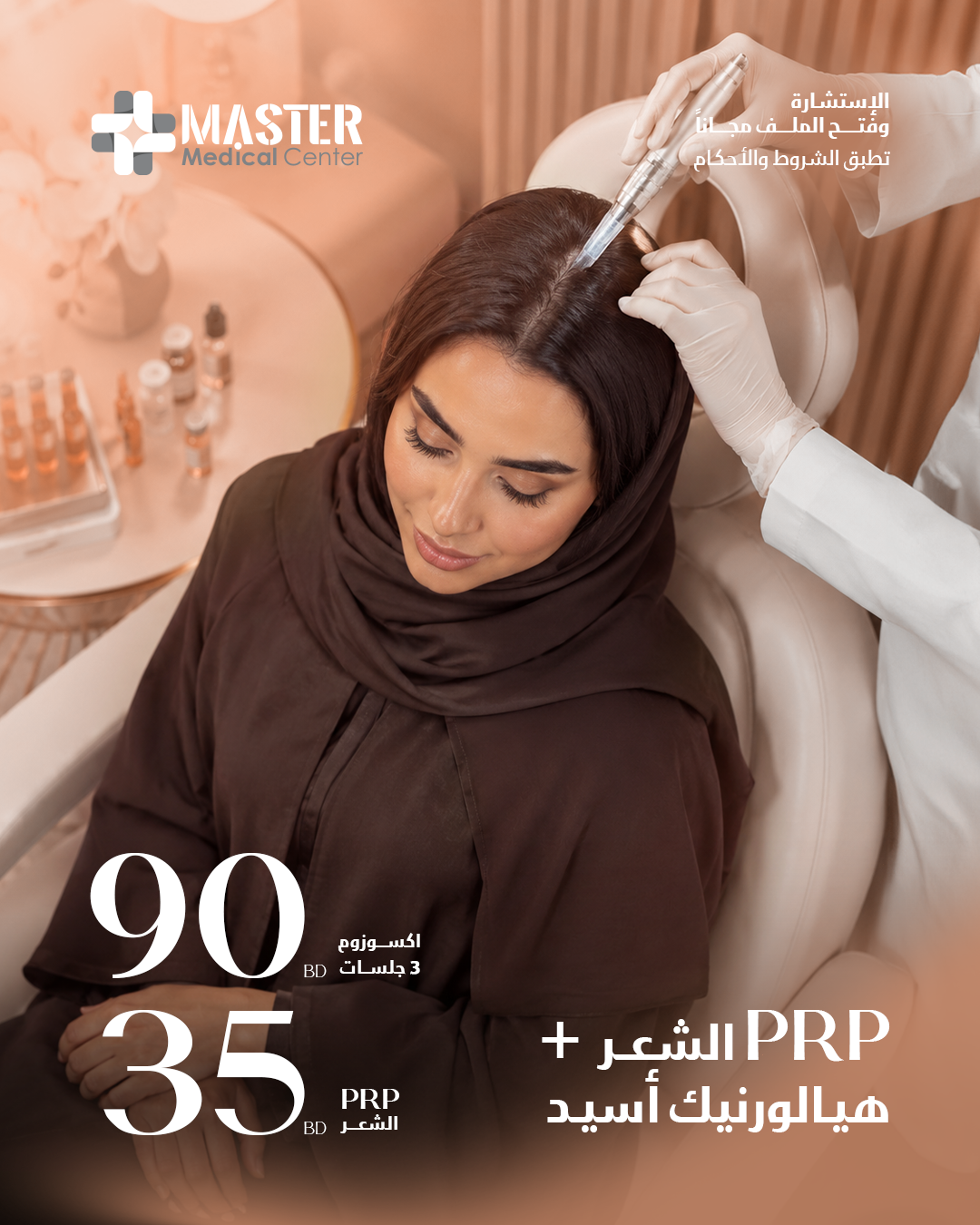
- Micro-Injections: The concentrated plasma is meticulously injected into target areas using ultra-fine needles.
Patients may feel mild pinpricks or slight discomfort, but the procedure is well-tolerated, especially when conducted in a fully equipped medical setting prioritizing patient comfort, strict sterilization, and privacy. Following the session, most patients immediately resume their daily routines while adhering to basic aftercare instructions.
How Many Sessions Are Typically Required?
This is a common question, and the exact answer depends on the stage of hair loss and its underlying cause. In most protocols, sessions are performed as an intensive initial series (e.g., spaced a few weeks apart), followed by periodic maintenance sessions to preserve results.
Many patients notice a reduction in shedding before seeing visible increases in thickness and density. Follicular response progresses through biological cycles, requiring patience and consistency. It is misleading to judge results based on a single session, as true transformation builds gradually over time.
When Do Results Appear?
Timelines vary among individuals. Some notice an initial reduction in daily shedding within weeks, whereas visible improvements in hair thickness and density require a few months. Consistency and the baseline condition of the follicles are key variables.
Those in the early stages of hair thinning often show remarkable improvement, while others with weaker follicles may experience moderate stabilization. Thus, PRP is best viewed as a potent, supportive clinical modality for appropriate candidates rather than a universal cure-all.
Key Advantages of PRP Therapy
- Non-Surgical & Natural: 100% autologous (derived from your own blood), minimizing allergic risks.
- Minimal Downtime: Quick procedure with virtually no disruption to daily activities.
- Broad Suitability: Well-suited for a wide demographic of men and women seeking to optimize scalp health.
Optimal outcomes depend not on the procedure’s name alone, but on diagnostic precision, centrifuge quality, and structured post-care monitoring under the care of a qualified physician who sets clear, realistic expectations.
What to Consider Before Booking
Before committing, ensure you inquire about:
- The root cause of your hair loss.
- The recommended session count and intervals.
- Whether adjuvant therapies (nutritional or topical) are needed.
Look beyond the lowest price—the true value of treatment encompasses diagnostic rigor, clinical sterilization, practitioner expertise, and transparent planning. Maintaining realistic expectations is equally crucial: starting treatment early significantly improves the likelihood of substantial restoration compared to waiting until the condition is advanced.
Post-Treatment Aftercare
Following the procedure, patients follow straightforward instructions regarding hair washing, product application, and briefly avoiding strenuous activities. These simple measures ensure scalp comfort and maximize clinical response.
Long-term adherence is vital. Discontinuing treatment prematurely upon noticing initial improvement can lead to gradual regression, particularly with genetic or chronic hair thinning.
Is PRP Superior to Other Treatments?
There is no absolute “best” treatment in isolation. In some cases, PRP works brilliantly as a monotherapy. In others, it delivers optimal results as part of a comprehensive regimen incorporating nutritional support, medical management of underlying causes, or topical and oral therapies.
True clinical success lies in choosing what works for your specific case. This is the difference between an impulsive choice based on an advertisement and a well-informed medical decision that respects your time, budget, and long-term outcome.
Why the Choice of Medical Center Matters
The scalp is a biologically complex environment requiring specialized dermatological understanding. Choosing a facility dedicated to safety, high standards, and clinical expertise ensures you receive a comprehensive therapeutic experience: precise diagnosis, patient privacy, and attentive follow-up.
This is vital in services blending aesthetic goals with medical science. Patients deserve tangible results alongside complete trust and transparency from the initial consultation through the final session.
Conclusion
If you are noticing increased shedding or diminishing hair density, timing is critical. An early consultation and a tailored treatment plan can halt progression, restoring healthy hair and self-confidence realistically and safely.